
Cataracts Diagnosis & Treatments
in Williamstown, WV, and Surrounding Areas
Williamstown Eye Clinic Provides Eye Care Treatment to Parkersburg, WV Areas
At Williamstown Eye Clinic in Williamstown, WV, our eye doctors focus on early diagnosis and effective treatment of eye disease. We carefully evaluate your vision, examine the health of your eyes, and explain every recommendation in clear language. Our team uses advanced diagnostic tools to detect cataracts and other eye conditions, so you understand exactly what happens with your eyesight. We respect your time, answer your questions, and guide you through every step of taking care of your eyes. Williamstown Eye Clinic is dedicated to assisting customers with developing or long-term cataracts. Contact us today at (304) 375-6468 for more information about our cataract treatment plans.
Facts About Cataracts You Should Know
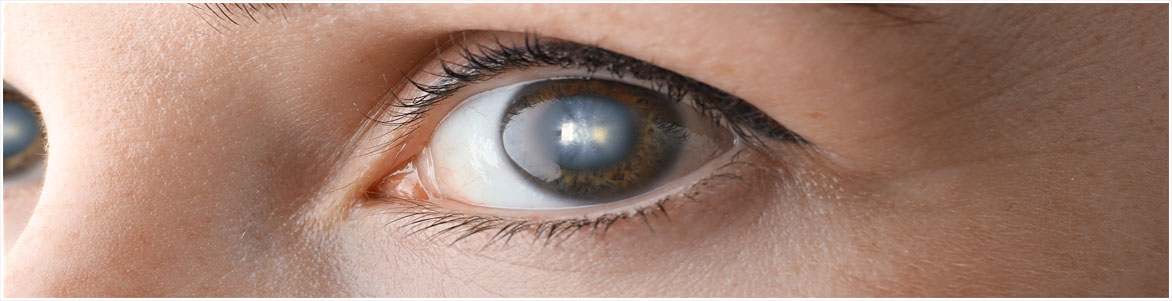
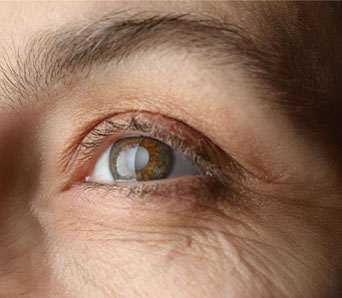
Cataracts affect the clear lens inside your eye and cause cloudy or blurred vision over time. Aging causes most cataracts, but other factors can speed up the process. Cataracts rarely improve on their own, so regular exams matter. Important facts about cataracts include:
- Cataracts usually develop slowly over many years.
- Aging, diabetes, smoking, and long-term sun exposure can increase risk.
- Only surgery can remove a cataract once it affects daily activities.
- Early diagnosis helps you plan the right time for surgery.
- Modern cataract surgery usually takes only a short time and uses small incisions.
Cataracts Symptoms, Treatment, and Those Who Are Most at Risk
At Williamstown Eye Clinic, we help customers find signs of cataracts before they fully develop to create an effective treatment plan. Common symptoms include:
- Blurry or cloudy vision
- Trouble seeing at night or in low light
- Glare or halos around headlights and bright lights
- Colors that look faded or yellowed
- Frequent changes in eyeglass or contact lens prescriptions
- Double vision in one eye
Anyone can develop cataracts, but some people face a higher risk. Adults over age 60 see cataracts more often because natural changes occur in the eye lens. People with diabetes face higher risk, especially when blood sugar stays high. Long-term smokers and people who spend many hours in the sun without UV protection also increase their chances of cataracts. Additionally, family history of cataracts, previous eye injuries, or long-term steroid use can raise risk as well.