
Diabetic Retinopathy Treatments & Exams
in Williamstown, WV, and Surrounding Areas
Williamstown Eye Clinic Offers Expert Diabetic Retinopathy Eye Care
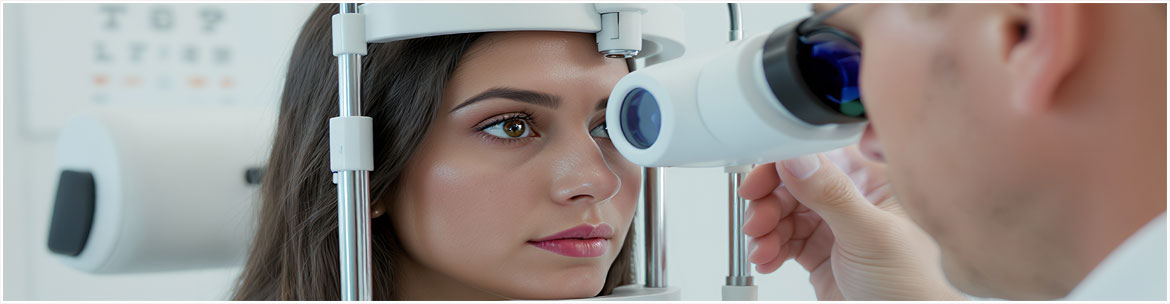
Williamstown Eye Clinic provides detailed examinations and treatments for customers suffering from diabetic retinopathy in Williamstown, WV, and surrounding communities. Diabetic retinopathy affects those suffering from diabetes as it damages the retina’s blood vessels which can lead to leaking, swelling, and potential loss of vision. Our team uses advanced imaging technology to detect diabetic retinopathy in its earliest stages. We partner with you and your primary care provider, support your diabetes management goals, and create a personalized plan to protect your sight. If you’re diabetic and worried that it may be affecting your vision, contact us today at (304) 375-6468 to schedule an appointment for an eye exam.
Common Symptoms Caused by Diabetic Retinopathy
You may not notice symptoms at first, so regular dilated exams matter. Schedule an appointment if you experience:
- Blurry or fluctuating vision
- Dark spots, floaters, or streaks in your vision
- Difficulty seeing at night or in dim light
- Washed-out or faded-looking colors
- Empty or dark areas in your field of vision
Important Facts About Diabetic Retinopathy You Should Know
Diabetic retinopathy develops when high blood sugar levels damage tiny blood vessels in the retina. This serious eye condition can lead to vision loss without regular eye exams and strong blood sugar control. Key facts about diabetic retinopathy include:
- Diabetic retinopathy affects people with Type 1 and Type 2 diabetes.
- High blood sugar, high blood pressure, and high cholesterol increase risk.
- Early stages often cause no pain and very few noticeable changes.
- Advanced stages can lead to bleeding, scar tissue, and retinal detachment.
- Timely treatment and good diabetes control help slow or prevent vision loss.
Those Most at Risk for Diabetic Retinopathy: Parkersburg, WV
Anyone with diabetes faces some level of risk for diabetic retinopathy. People who live with diabetes for many years face higher risk, especially when blood sugar control stays poor. High blood pressure, high cholesterol, and smoking further increase the chance of damage to the retina. Pregnant women with diabetes, including gestational diabetes, also need close eye monitoring.
